Nutrition rooted in science.
Food rooted in real life
Personalised nutritional therapy, practical food guidance and evidence-informed nutrition.
Build healthier habits through the food you eat every day, with a chef’s understanding of how to make it taste good.
Nutrition check-in
What should you focus on?
Ten quick questions about how you eat and feel. You’ll get three areas to focus on, with practical tips and fact sheets to read next.
Takes about two minutes. Your answers stay in your browser, and nothing is sent or saved.
How is your energy through the day?
What to cook this week
Browse all recipesRecipes from delicious. (delicious.com.au), credited to their creators. Each card opens the original recipe.
My approach
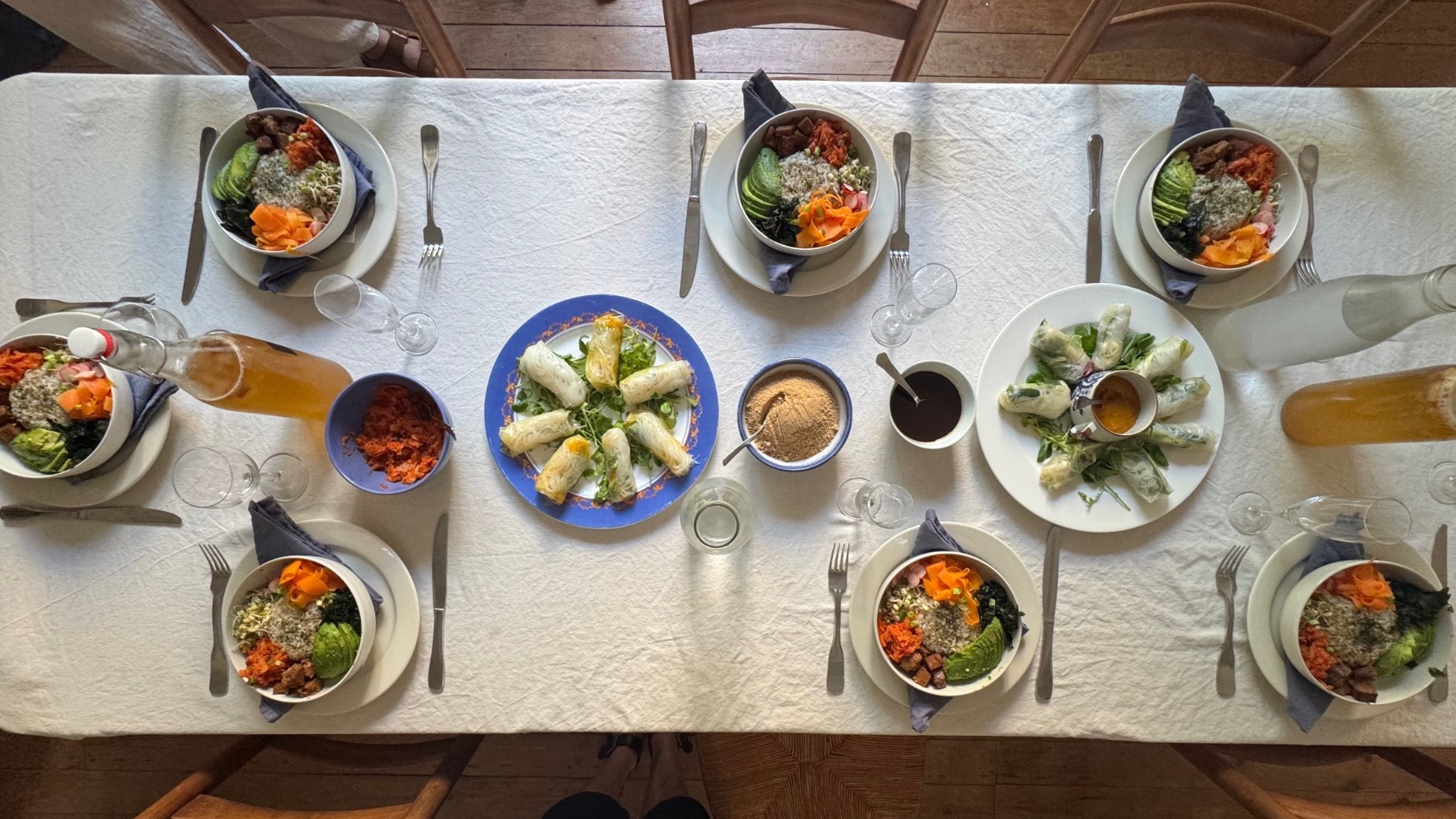
Nutrition isn’t only about knowing what’s healthy. It’s about how food fits your life, your routines and your kitchen. I combine nutritional therapy with a chef’s knowledge so the advice ends up on your plate.


STUDIES
Read moreCan eating more fermented foods change your gut microbiome?
In a small Stanford study, adults who gradually increased fermented foods — yoghurt, kefir, kimchi, kombucha and fermented vegetables — to around six servings a day saw the variety of their gut bacteria increase, and several blood markers of inflammation fall.
- Design
- Randomised trial
- People
- 36 healthy adults
- Length
- 17 weeks
Vitamin K2 and the heart: what the Rotterdam Study found
In a large Dutch population study, people who ate the most vitamin K2 (menaquinone) had a lower risk of dying from coronary heart disease than those who ate the least.
- Design
- Prospective cohort
- People
- 4,807 adults, 55+
- Follow-up
- ~7–10 years
How much fibre do we really need? A major review of the evidence
Pooling decades of research, this review found that people eating the most fibre had a 15–30% lower risk of dying early, and of heart disease, stroke, type 2 diabetes and bowel cancer, than people eating the least.
- Design
- Systematic reviews & meta-analyses
- Evidence
- 185 cohort studies, 58 trials
- Commissioned by
- WHO
Omega-3 supplements and heart health: the VITAL trial
In this very large trial, taking 1 g of fish-oil omega-3 daily did not significantly reduce the main combined measure of heart attacks, strokes and cardiovascular deaths in generally healthy adults.
- Design
- Randomised placebo-controlled trial
- People
- 25,871 US adults
- Length
- Median 5.3 years
Do vitamin D supplements prevent cancer or heart disease?
Taking 2,000 IU of vitamin D a day for around five years didn’t lower rates of cancer or major cardiovascular events in generally healthy adults.
- Design
- Randomised placebo-controlled trial
- People
- 25,871 US adults
- Dose
- 2,000 IU (50 µg) / day
Vitamin K2 and bone loss after menopause: a 3-year trial
In this Dutch trial, healthy postmenopausal women who took a daily vitamin K2 (MK-7) supplement for three years lost less bone density at the spine and hip than women taking a placebo.
- Design
- Randomised placebo-controlled trial
- People
- 244 postmenopausal women
- Dose
- 180 µg MK-7 a day
Can vitamin K2 reduce arterial stiffness?
Using the same group of women as the bone study, researchers found that three years of vitamin K2 (MK-7) improved measures of arterial stiffness, particularly in women whose arteries were stiffest at the start.
- Design
- Randomised placebo-controlled trial
- People
- 244 postmenopausal women
- Length
- 3 years
What actually counts as a fermented food? The expert consensus
An international expert panel agreed a clear definition: fermented foods are made through the deliberate growth of microbes.
- Design
- Expert consensus statement
- Panel
- International Scientific Association for Probiotics and Prebiotics
- Focus
- Definition and health evidence
Why 30 plants a week? The American Gut Project
This is where the popular ‘30 plants a week’ idea comes from.
- Design
- Citizen-science observational study
- People
- Over 11,000 participants
- Countries
- Mainly US, UK and Australia
Whole grains and long-term health: a major BMJ review
Pooling dozens of long-term studies, researchers found that people eating about three servings (90 g) of whole grains a day had a lower risk of heart disease, cancer and dying early than people eating few or none..
- Design
- Systematic review and dose-response meta-analysis
- Evidence
- 45 prospective studies
- Comparison
- Per 90 g of whole grains a day
Does fibre protect your heart? Evidence from 22 studies
Each extra 7 g of fibre a day, roughly a portion of beans plus a portion of fruit or vegetables, was linked to about a 9% lower risk of cardiovascular disease and coronary heart disease..
- Design
- Systematic review and meta-analysis
- Evidence
- 22 cohort studies
- Comparison
- Per 7 g of fibre a day
REDUCE-IT: high-dose EPA in people with high triglycerides
In people with heart disease or diabetes, raised triglycerides and already taking statins, a prescription-strength dose of purified EPA (a type of omega-3) reduced heart attacks, strokes and other cardiovascular events by about a quarter compared with placebo..
- Design
- Randomised placebo-controlled trial
- People
- 8,179 adults at high cardiovascular risk
- Dose
- 4 g a day purified EPA (icosapent ethyl)
ASCEND: omega-3 supplements in people with diabetes
In a large UK trial of adults with diabetes but no heart disease, a standard 1 g daily omega-3 supplement did not reduce heart attacks or strokes compared with an olive oil placebo..
- Design
- Randomised placebo-controlled trial
- People
- 15,480 UK adults with diabetes
- Length
- Average 7.4 years
Vitamin D and colds: a major analysis of 25 trials
Across 25 trials, vitamin D supplements slightly reduced the risk of acute respiratory infections such as colds and flu.
- Design
- Individual participant data meta-analysis
- Evidence
- 25 randomised trials
- People
- About 11,000 participants
Do vitamin D supplements protect bones? A large meta-analysis
In adults who were not deficient, vitamin D supplements on their own did not prevent fractures or falls, or meaningfully improve bone density.
- Design
- Systematic review and meta-analysis
- Evidence
- 81 randomised trials
- People
- Over 53,000 participants
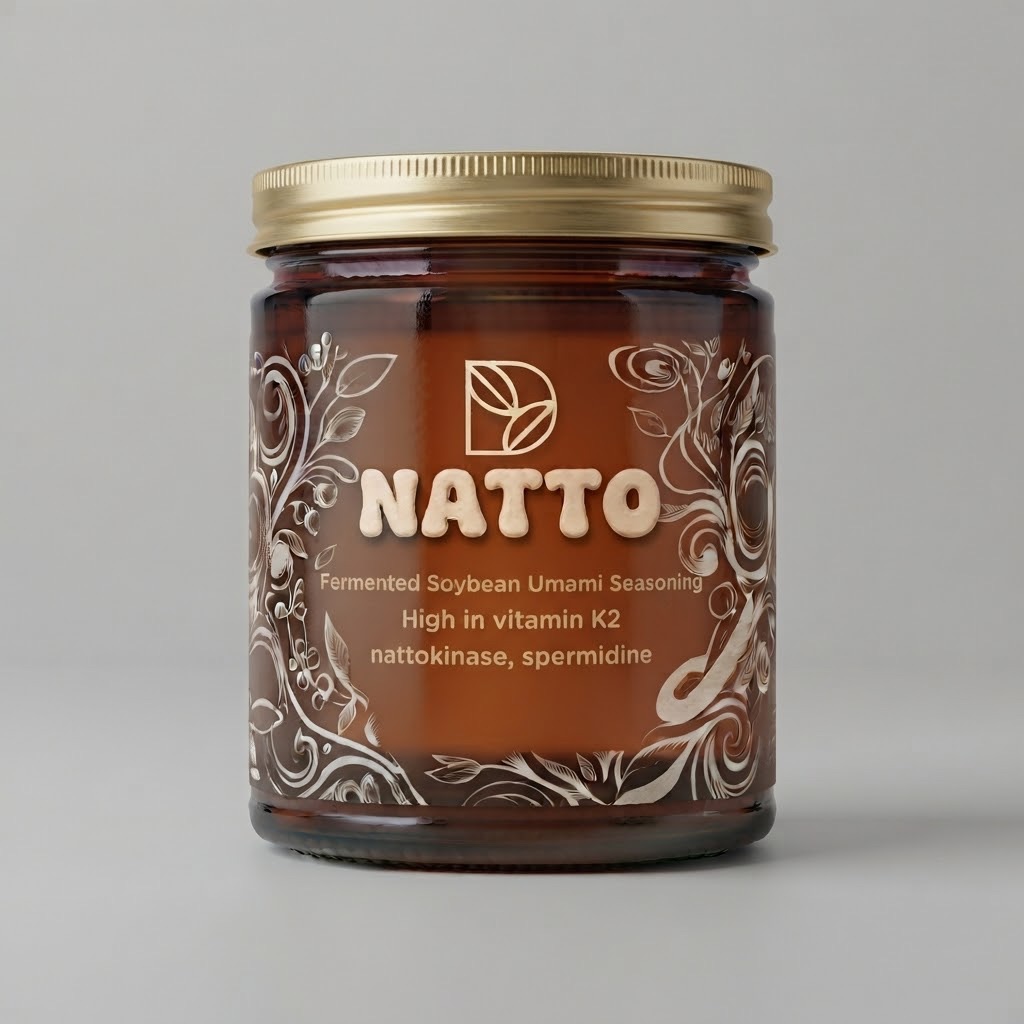
DOIG Nutrition products
Our Fermented Soybean Umami Seasoning brings the savoury depth of natto to everyday cooking, with none of the stickiness.
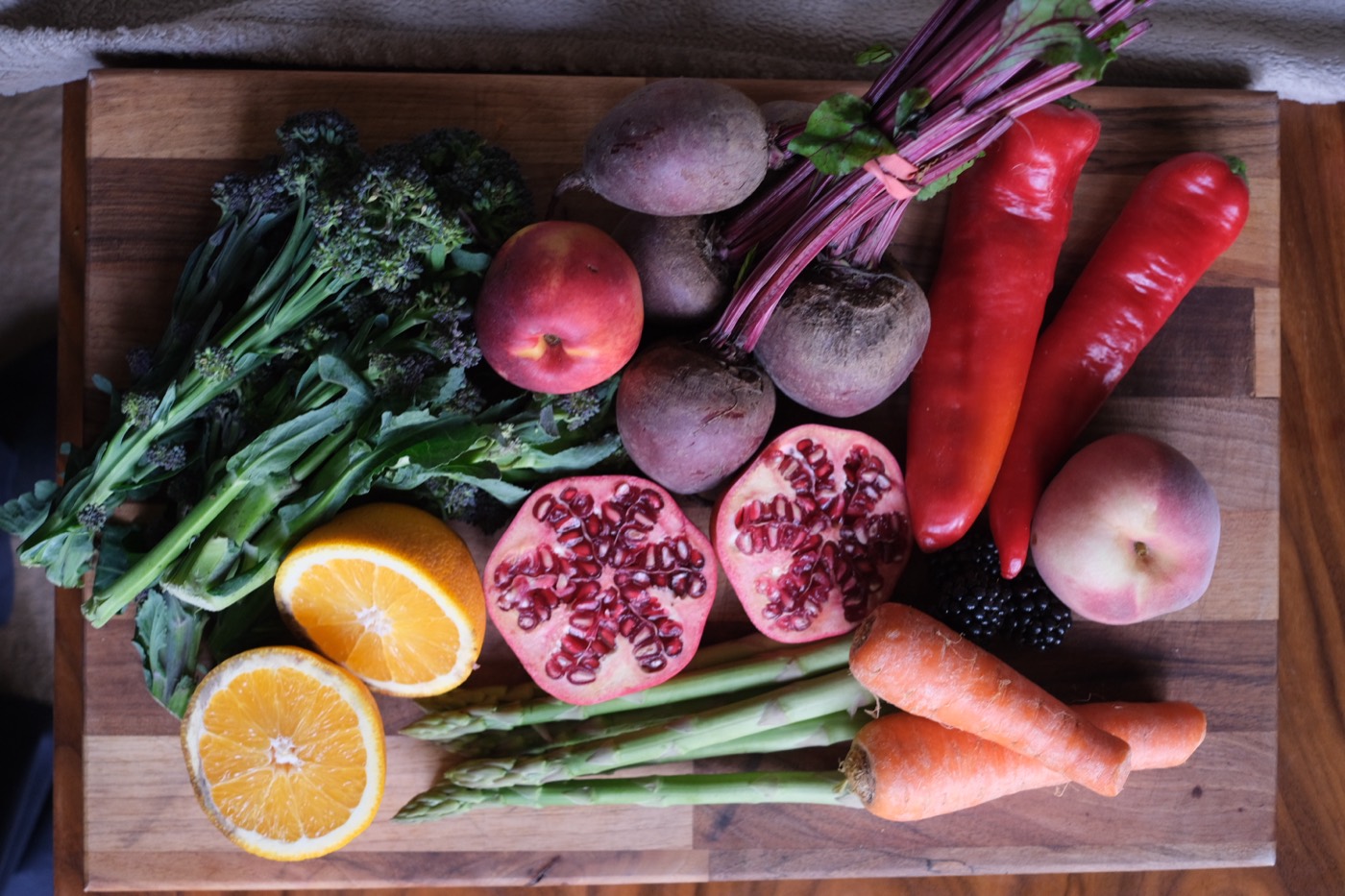
Eat the rainbow
Colour, variety and real food
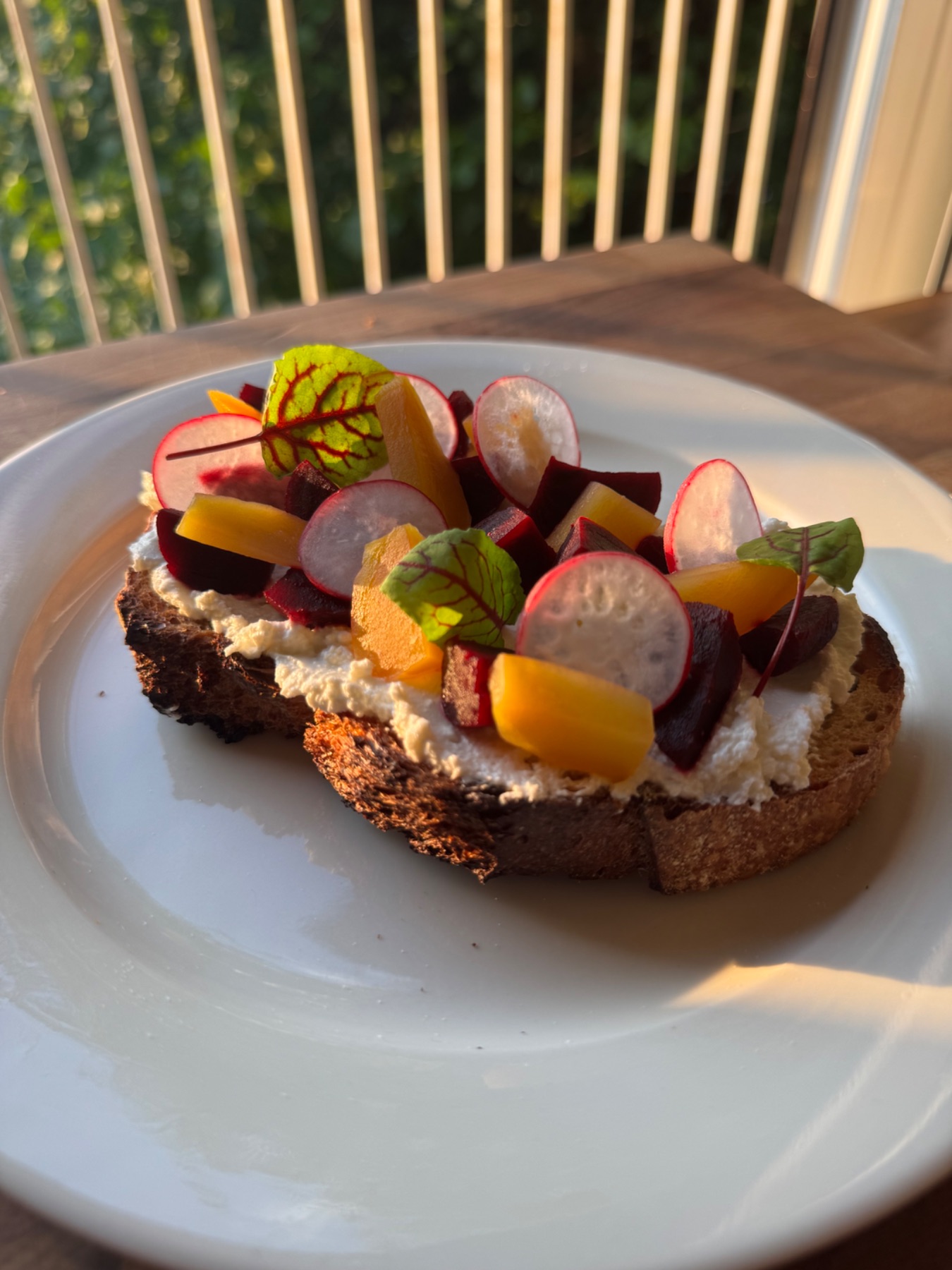
Different colours in fruit and vegetables come from different plant compounds, like the anthocyanins in blackberries and beetroot or the carotenoids in carrots and oranges. Eating a wide variety is one of the simplest ways to broaden your diet, and research links plant diversity with a more varied gut microbiome.
Aim for 30 different plants a week. Herbs, spices, nuts, seeds, beans and whole grains all count.
The Nutrition Library
Members’ library
My story
Food has always been at the centre of what I do.
I trained and worked as a chef before I studied nutrition. Years of cooking for different people, kitchens and dietary needs taught me that the best advice is the kind you can actually cook.
Now I’m studying for a BSc in Nutritional Therapy at the College of Naturopathic Medicine, and bringing the two worlds together.
Read my story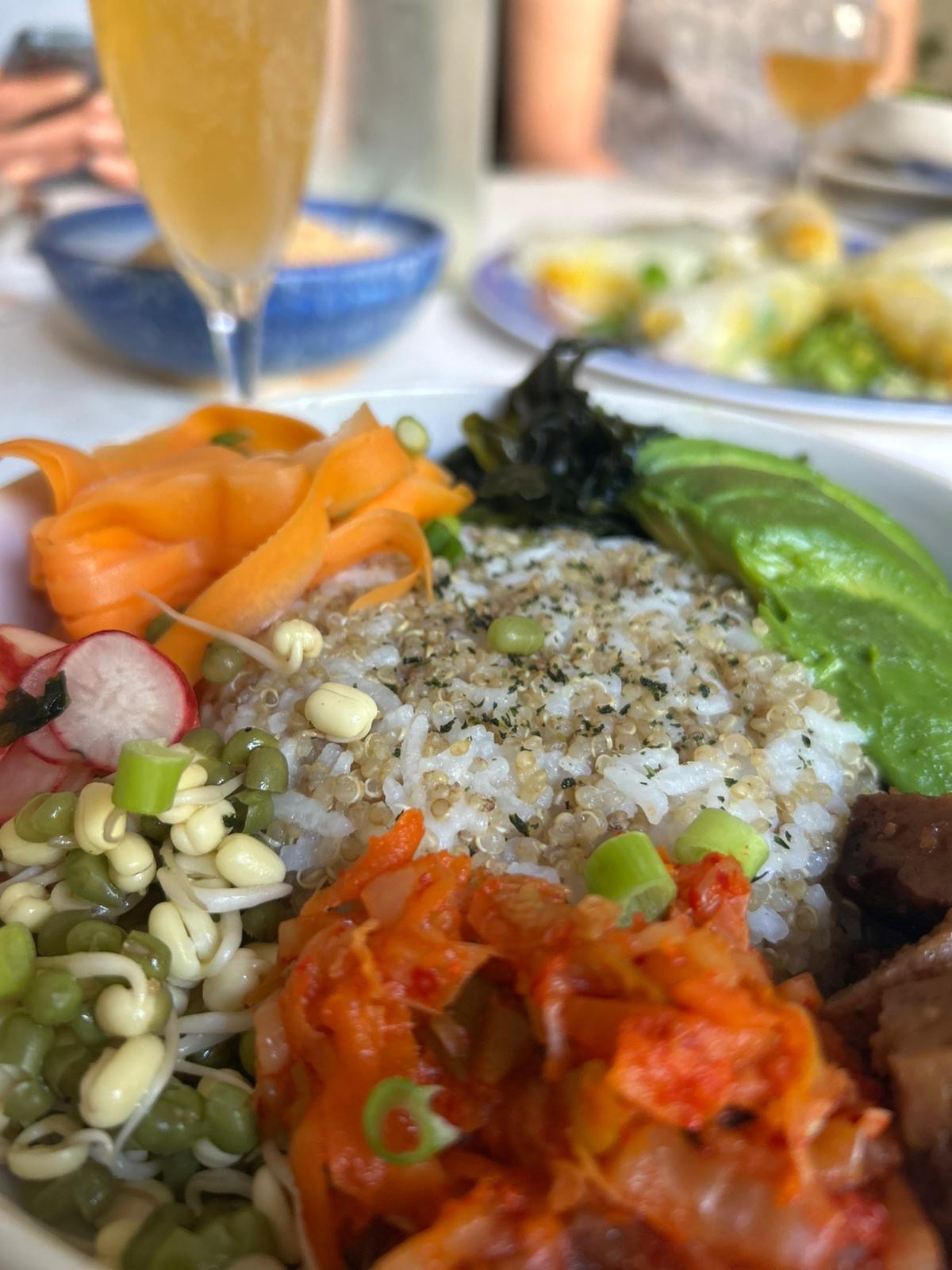
Join the newsletter
Nutrition, food & research, delivered occasionally.
New recipes, research write-ups, fact sheets and product launches. A few emails a season, never more. Unsubscribe any time.
Contact
Get in touch
Questions about consultations, private dining or products? I reply to every message within two working days.